Spoons
A curved piece of metal that has been out-fishing complicated lures for a hundred years.

What it is
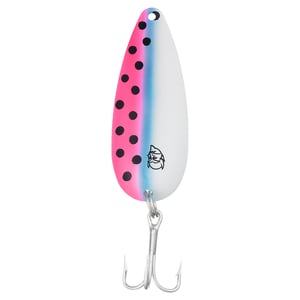
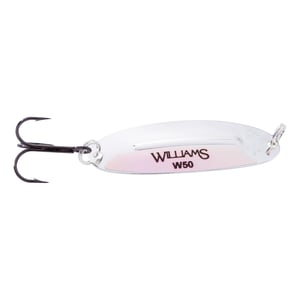
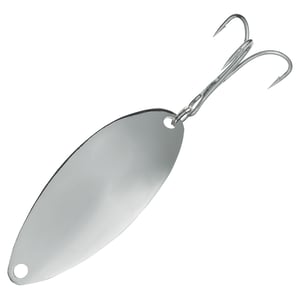
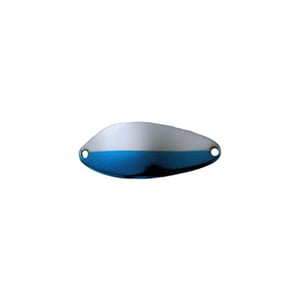
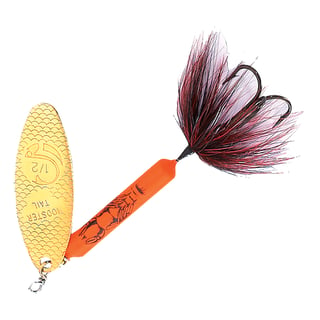
A spoon is a concave metal blade that wobbles, flashes and falls. There are three families that behave nothing alike. Casting spoons flutter on a steady retrieve. Jigging spoons drop fast and are worked vertically. Trolling spoons are thin, light and made to be pulled behind a planer or a diving weight.
When to throw one
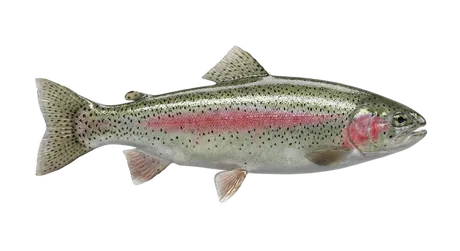
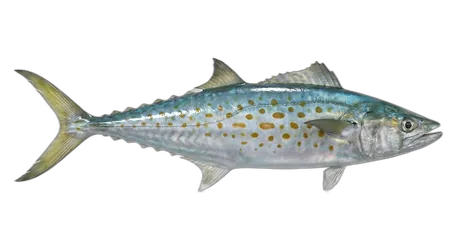
Any time fish are keyed on a single bright baitfish. Cold water vertical jigging over deep schools, hot summer afternoons when Spanish mackerel are slashing a bait ball, ice out lake trout, fall stripers under birds. A spoon casts further than anything else its size, which quietly matters more than most anglers admit.
How to fish it
Casting spoons want a slow, steady retrieve with an occasional pause so the bait falls on its side. Jigging spoons want a sharp lift and then a controlled drop on semi slack line, because the fall is the strike. Trolling spoons need speed control more than color choice.
Gear that matters
Add a quality swivel above a casting spoon or it will twist your line into a bird's nest by lunchtime. Split rings and hook upgrades matter here more than on most baits because the stock hardware on cheap spoons is usually the weak point.
Reeling a casting spoon steadily the whole way back. Kill it, let it flutter, and start reeling again.
Spoons by the numbers
- Families in the catalog
- 428
- Individual variants
- 4,862
- Brands represented
- 110
- Weight range
- 1/32 oz to 16 oz
- Length range
- 0.25 in to 48 in
- Most stocked color families
- Silver and Blue, White and Pearl, Gold
A family is a product line. A variant is one color and size of it, which is the level the app actually reasons about.
What the shelves carry
Shelf availability, not a recommendation. Which color is right depends on the day, and that is the part the app works out.
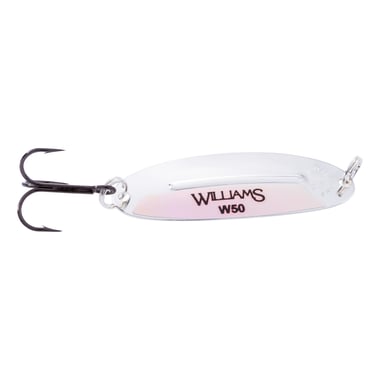
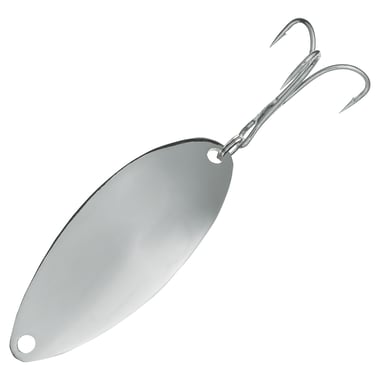
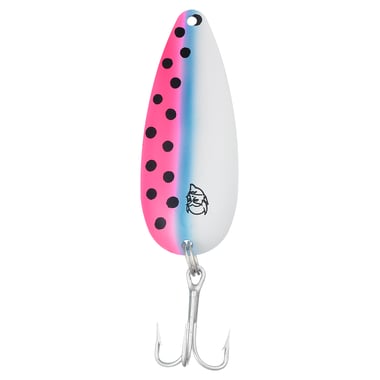
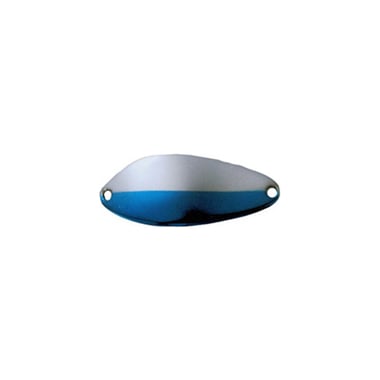
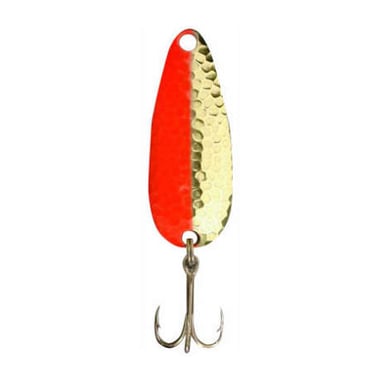
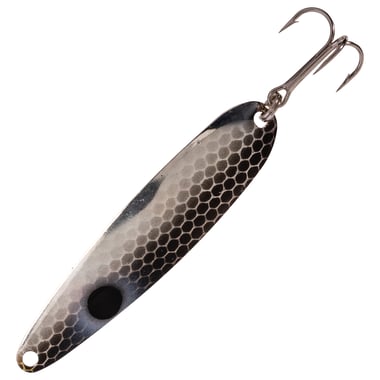
Spoons with the deepest color runs
The families carrying the most individual variants in the catalog. Breadth of stock, not a ranking of which one catches more fish.
What a web page cannot know
Everything above is true of spoons everywhere, in every month, for every angler. That is exactly the problem with it. Cobia answers the narrower question.
Those four lines need a location, a clock and your actual tackle box. No website has any of them.
Spoons questions people actually ask
A spoon is a concave metal blade that wobbles, flashes and falls. There are three families that behave nothing alike. Casting spoons flutter on a steady retrieve. Jigging spoons drop fast and are worked vertically. Trolling spoons are thin, light and made to be pulled behind a planer or a diving weight.
Any time fish are keyed on a single bright baitfish. Cold water vertical jigging over deep schools, hot summer afternoons when Spanish mackerel are slashing a bait ball, ice out lake trout, fall stripers under birds. A spoon casts further than anything else its size, which quietly matters more than most anglers admit.
Casting spoons want a slow, steady retrieve with an occasional pause so the bait falls on its side. Jigging spoons want a sharp lift and then a controlled drop on semi slack line, because the fall is the strike. Trolling spoons need speed control more than color choice.
Reeling a casting spoon steadily the whole way back. Kill it, let it flutter, and start reeling again.
Know which spoon to tie on
Scan your receipts, build your box once, and Cobia ranks what you already own against the water in front of you.
Android coming soon
iPhone, iOS 17 or later. Setup takes about a minute.