Inline spinners
Flash, thump and a straight retrieve. The first lure most of us ever caught anything on.

What it is
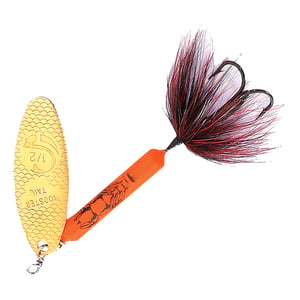
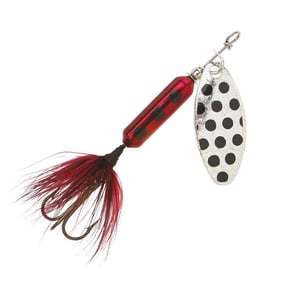
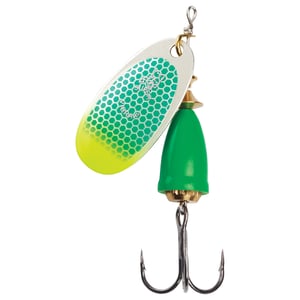
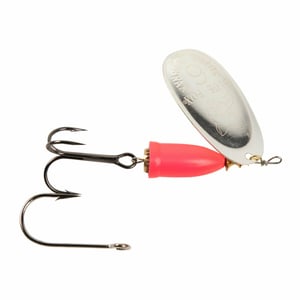
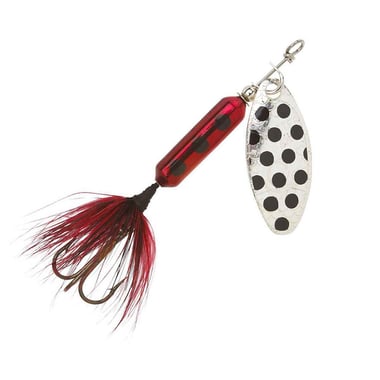
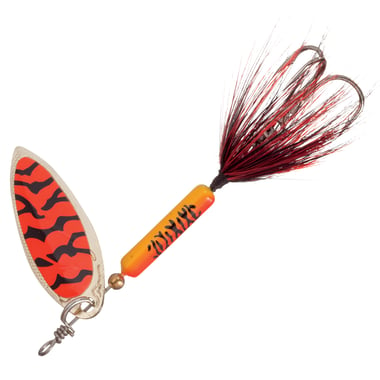
A blade spins around a straight wire shaft with a weighted body behind it. That is the whole design. The spinning blade throws flash and pushes a low frequency thump that fish feel on the lateral line well before they see it. Blade shape sets the behavior. Round blades turn at a wide angle and lift, willow blades turn tight and run deeper, and the in between shapes split the difference.
When to throw one
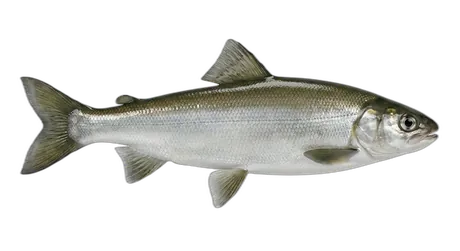
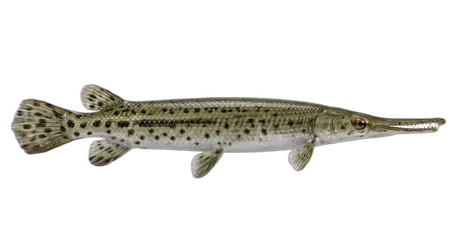
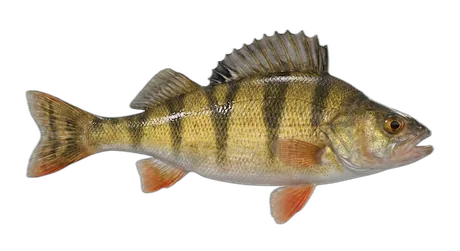
Moving water, stained water, and any time you need to cover a lot of ground fast. Trout streams, pike weed edges, smallmouth current seams, and spring creeks that just came up after rain. It is the honest answer for an unfamiliar piece of water where you have an hour to find out whether anything is home.
How to fish it
Cast up and across, then retrieve just fast enough to keep the blade turning. You should feel a steady thump in the rod handle at all times. If the thump stops, the blade has fouled or you have slowed below its start up speed.
Gear that matters
A swivel is not optional. An inline spinner is a line twisting machine, and skipping the swivel is how you end up rerigging instead of fishing.
Burning it back. Slow down until the blade is barely turning and the bites usually start.
Inline spinners by the numbers
- Families in the catalog
- 326
- Individual variants
- 3,207
- Brands represented
- 56
- Weight range
- 1/32 oz to 75 oz
- Length range
- 0.5 in to 72 in
- Most stocked color families
- Silver and Blue, Gold, Black and Blue
A family is a product line. A variant is one color and size of it, which is the level the app actually reasons about.
What the shelves carry
Shelf availability, not a recommendation. Which color is right depends on the day, and that is the part the app works out.
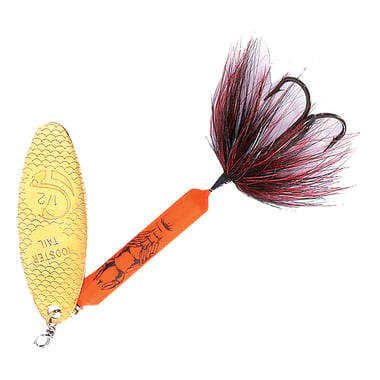
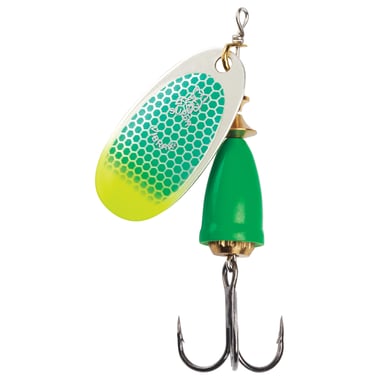
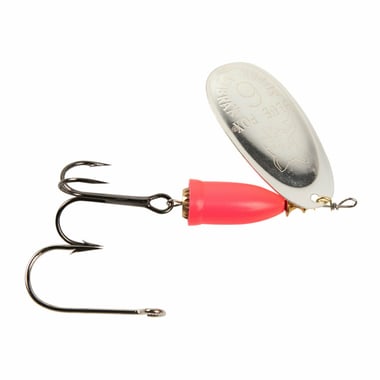
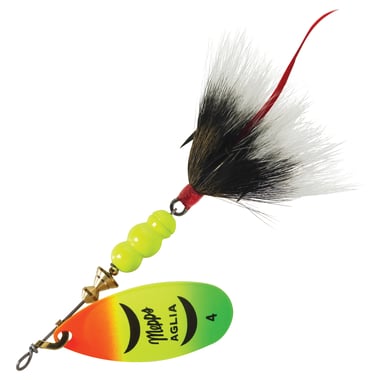
Inline spinners with the deepest color runs
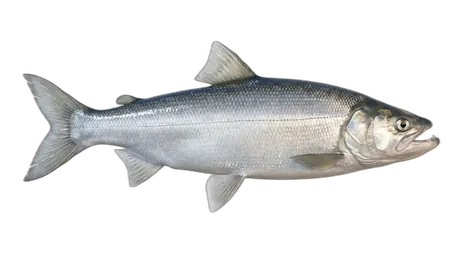
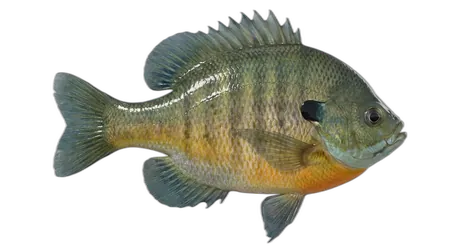
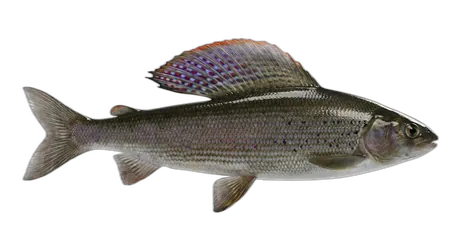
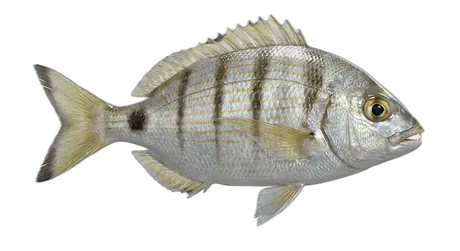
The families carrying the most individual variants in the catalog. Breadth of stock, not a ranking of which one catches more fish.
What a web page cannot know
Everything above is true of inline spinners everywhere, in every month, for every angler. That is exactly the problem with it. Cobia answers the narrower question.
Those four lines need a location, a clock and your actual tackle box. No website has any of them.
Inline spinners questions people actually ask
A blade spins around a straight wire shaft with a weighted body behind it. That is the whole design. The spinning blade throws flash and pushes a low frequency thump that fish feel on the lateral line well before they see it. Blade shape sets the behavior. Round blades turn at a wide angle and lift, willow blades turn tight and run deeper, and the in between shapes split the difference.
Moving water, stained water, and any time you need to cover a lot of ground fast. Trout streams, pike weed edges, smallmouth current seams, and spring creeks that just came up after rain. It is the honest answer for an unfamiliar piece of water where you have an hour to find out whether anything is home.
Cast up and across, then retrieve just fast enough to keep the blade turning. You should feel a steady thump in the rod handle at all times. If the thump stops, the blade has fouled or you have slowed below its start up speed.
Burning it back. Slow down until the blade is barely turning and the bites usually start.
Know which inline spinner to tie on
Scan your receipts, build your box once, and Cobia ranks what you already own against the water in front of you.
Android coming soon
iPhone, iOS 17 or later. Setup takes about a minute.