Jerkbaits
A hard minnow that darts, stalls and hangs. The stall is the part that catches fish.

What it is
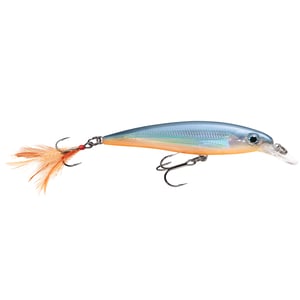
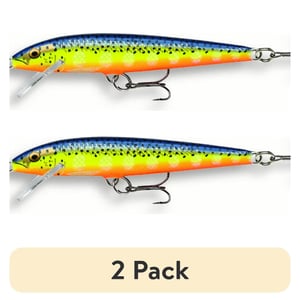
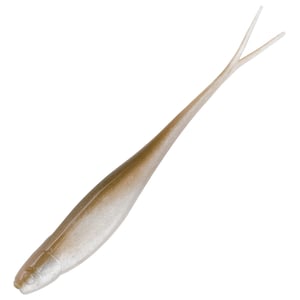
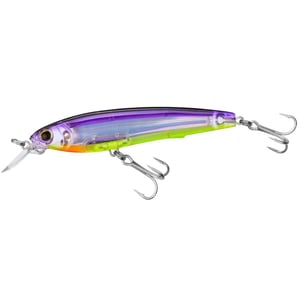
A jerkbait is a long, thin hard bait built to imitate a wounded baitfish. Twitch the rod tip and it kicks sideways, then goes still. Suspending models hover at depth on the pause, floating models rise, and sinking models keep falling. Almost every strike happens while the bait is doing nothing.
When to throw one
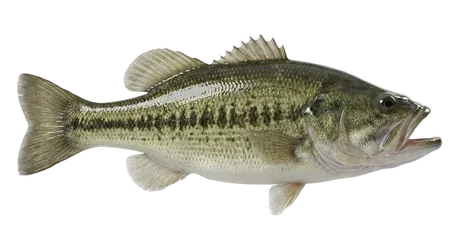
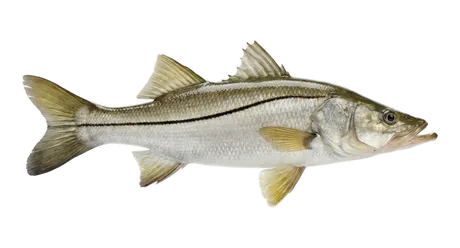
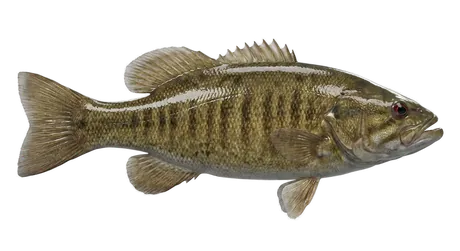
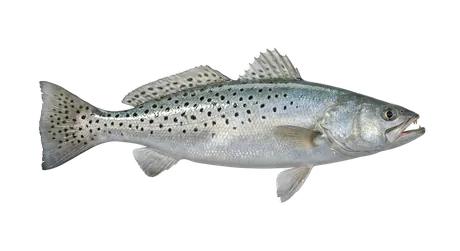
Cold, clear water is the classic window. When the water drops through the fifties and fish stop chasing, a jerkbait lets you keep something in the strike zone at a dead stop for four or five seconds. It also shines any time bait is getting pushed on a shallow flat, and it is one of the few presentations that works from a Michigan smallmouth flat to a Florida seatrout grass line without changing much except size.
How to fish it
Two or three sharp downward snaps, then stop. Count the pause. Cold water wants a longer count than you think is reasonable, sometimes eight seconds. Warm water wants a faster cadence and a shorter pause. Keep slack in the line during the snap so the bait can swing free rather than tracking straight.
Gear that matters
A shorter rod with a soft tip keeps the snaps tight and stops the trebles tearing free. Fluorocarbon sinks and helps a suspending bait hold depth. Braid floats and will pull the nose up, which is fine on a floating model and wrong on a suspender.
Working it too fast. If you never feel awkward standing there waiting, the pause is too short.
Jerkbaits by the numbers
- Families in the catalog
- 385
- Individual variants
- 3,837
- Brands represented
- 73
- Weight range
- 1/16 oz to 15 oz
- Length range
- 0.125 in to 7 in
- Most stocked color families
- Silver and Blue, Shad and Natural, White and Pearl
A family is a product line. A variant is one color and size of it, which is the level the app actually reasons about.
What the shelves carry
Shelf availability, not a recommendation. Which color is right depends on the day, and that is the part the app works out.
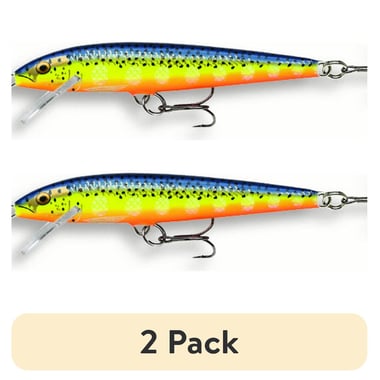
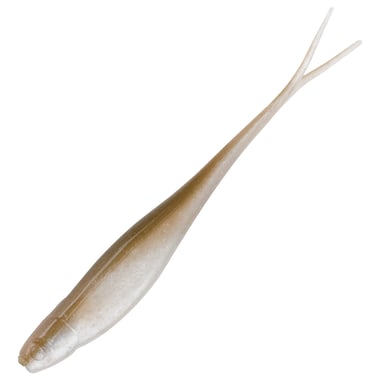
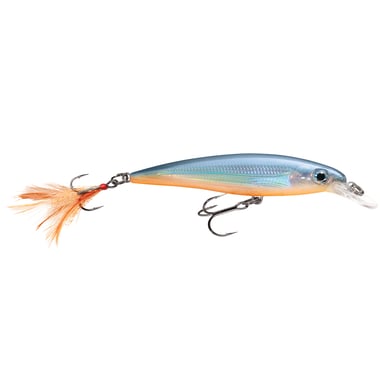
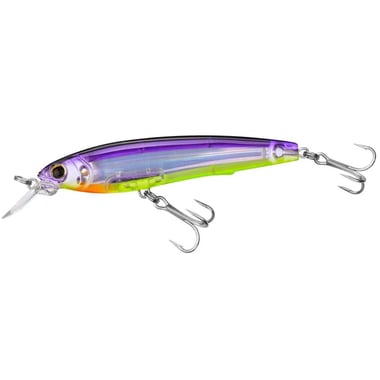
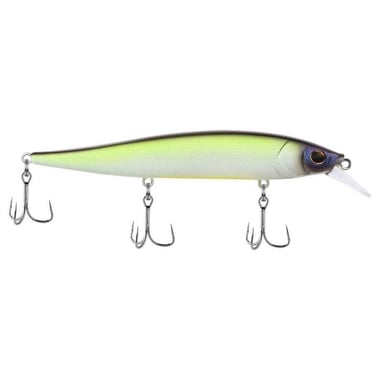
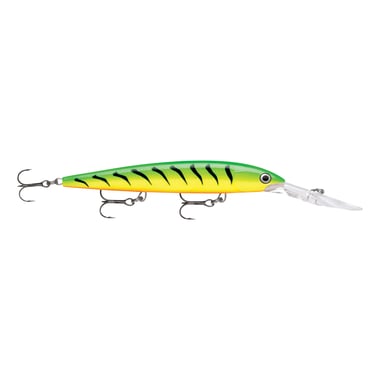
Jerkbaits with the deepest color runs
The families carrying the most individual variants in the catalog. Breadth of stock, not a ranking of which one catches more fish.
What a web page cannot know
Everything above is true of jerkbaits everywhere, in every month, for every angler. That is exactly the problem with it. Cobia answers the narrower question.
Those four lines need a location, a clock and your actual tackle box. No website has any of them.
Jerkbaits questions people actually ask
A jerkbait is a long, thin hard bait built to imitate a wounded baitfish. Twitch the rod tip and it kicks sideways, then goes still. Suspending models hover at depth on the pause, floating models rise, and sinking models keep falling. Almost every strike happens while the bait is doing nothing.
Cold, clear water is the classic window. When the water drops through the fifties and fish stop chasing, a jerkbait lets you keep something in the strike zone at a dead stop for four or five seconds. It also shines any time bait is getting pushed on a shallow flat, and it is one of the few presentations that works from a Michigan smallmouth flat to a Florida seatrout grass line without changing much except size.
Two or three sharp downward snaps, then stop. Count the pause. Cold water wants a longer count than you think is reasonable, sometimes eight seconds. Warm water wants a faster cadence and a shorter pause. Keep slack in the line during the snap so the bait can swing free rather than tracking straight.
Working it too fast. If you never feel awkward standing there waiting, the pause is too short.
Know which jerkbait to tie on
Scan your receipts, build your box once, and Cobia ranks what you already own against the water in front of you.
Android coming soon
iPhone, iOS 17 or later. Setup takes about a minute.