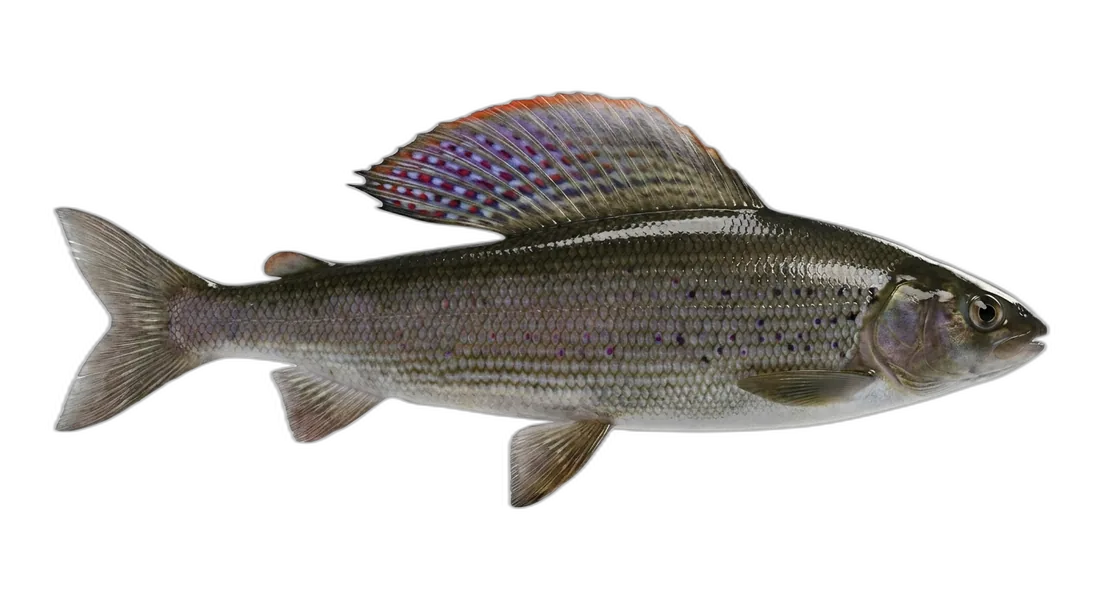
Arctic Grayling
Thymallus arcticus
Also called grayling
A beautiful freshwater salmonid known for its large, colorful dorsal fin with distinctive spots and iridescent coloration. Arctic grayling are native to cold northern waters and are prized by fly fishermen for their willingness to take dry flies.

Arctic Grayling at a glance
- Scientific name
- Thymallus arcticus
- Typical size
- 8-16 inches, 0.5-2 lbs
- Water
- Freshwater
- Habitat
- Freshwater
- Rarity in the Fishdex™
- Uncommon
Habitat
Found in clear, cold streams, rivers, and lakes in Alaska, northern Canada, and historically in Montana. Anglers typically target them with light tackle, small flies, and lures in shallow riffles and pools. They prefer water temperatures below 60°F and are often found near cover or feeding lanes.
Catch one and it is yours
Log a arctic grayling through the Cobia Camera and this entry fills in with your photo, your personal best, and the exact conditions on the day. The app also carries the slot and season rules for wherever you are standing.
How the Fishdex™ worksWhat to throw for arctic grayling
The lure classes that produce for arctic grayling, drawn from the same species map Cobia reasons about. Each one opens a full page on what it is, when it works and how to fish it.
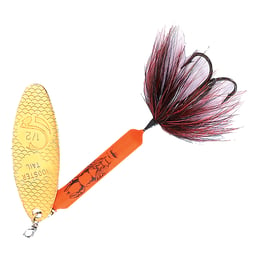
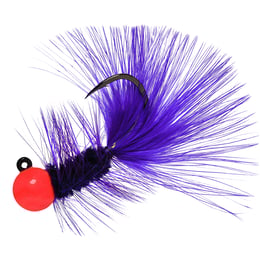
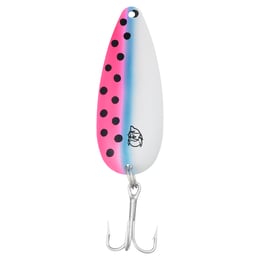
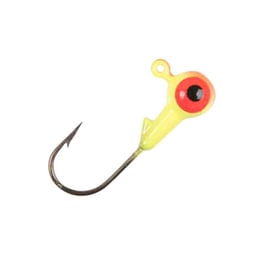
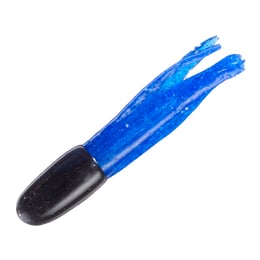
Which one, in which color and which weight, depends on the water in front of you today. That part is the app.
Arctic Grayling questions people ask
Arctic Grayling is Thymallus arcticus. Anglers also call it grayling.
A typical arctic grayling runs 8-16 inches, 0.5-2 lbs. Cobia records the length and weight of every arctic grayling you log and keeps your personal best on its Fishdex entry.
Found in clear, cold streams, rivers, and lakes in Alaska, northern Canada, and historically in Montana. Anglers typically target them with light tackle, small flies, and lures in shallow riffles and pools. They prefer water temperatures below 60°F and are often found near cover or feeding lanes. It is a fresh water species, filed under freshwater in the Fishdex.
Inline spinners and flies and jig flies all produce. Which one, in which color and which weight, depends on the season, the water temperature and the tide on the day, which is the part Cobia works out against the lures you already own.
Yes. Log one through the Cobia Camera and this entry fills in with your own photo, your personal best, and the conditions on the day you caught it. The app also carries the slot limits and season dates for wherever you are standing. It is free.
Tomorrow morning starts tonight
Set your home water, pick a drive radius, and wake up to a plan.
Android coming soon
iPhone, iOS 17 or later. Setup takes about a minute.