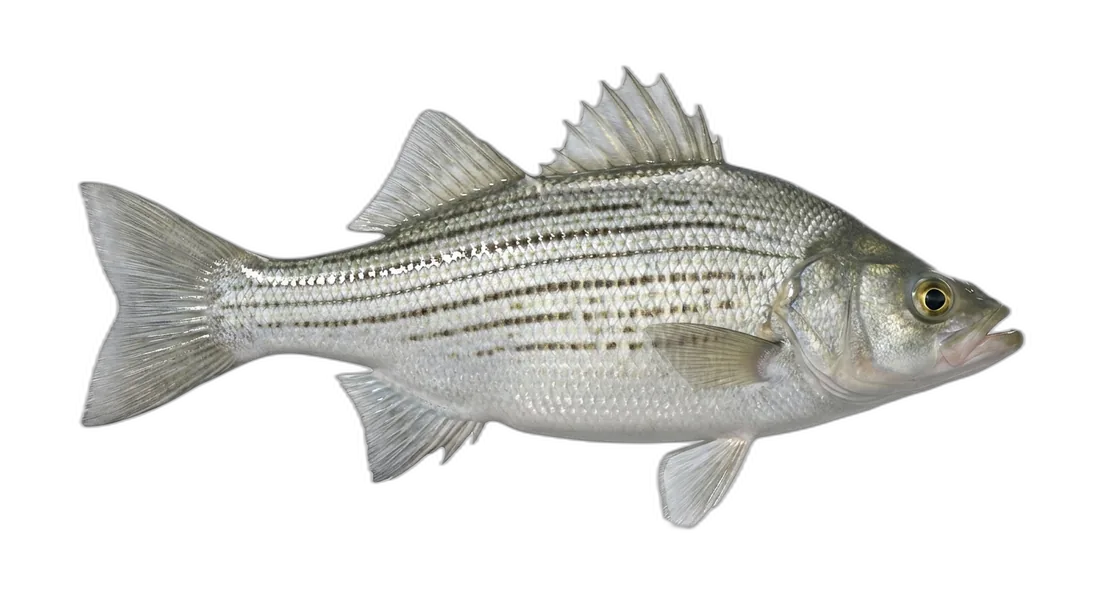
White Bass
Morone chrysops
Also called silver bass, sand bass
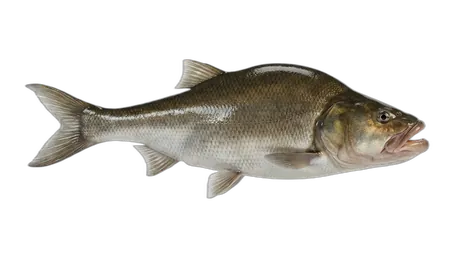
White bass are silvery-white freshwater fish with dark horizontal stripes along their sides. They are popular sport fish known for their aggressive feeding behavior and schooling nature.

White Bass at a glance
- Scientific name
- Morone chrysops
- Typical size
- 12-16 inches, 1-3 lbs
- Water
- Freshwater
- Habitat
- Freshwater
- Rarity in the Fishdex™
- Common
Habitat
White bass inhabit large lakes, reservoirs, and river systems throughout much of the central and eastern United States. Anglers target them by finding schools in open water using electronics, often fishing with small jigs, spoons, or live bait during their feeding frenzies. They are particularly active during spring spawning runs up tributary streams.
Catch one and it is yours
Log a white bass through the Cobia Camera and this entry fills in with your photo, your personal best, and the exact conditions on the day. The app also carries the slot and season rules for wherever you are standing.
How the Fishdex™ worksWhat to throw for white bass
The lure classes that produce for white bass, drawn from the same species map Cobia reasons about. Each one opens a full page on what it is, when it works and how to fish it.
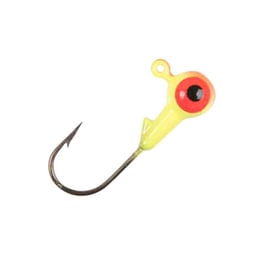
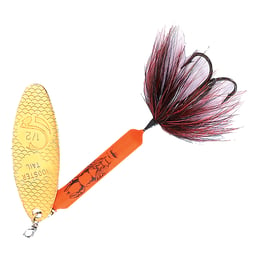
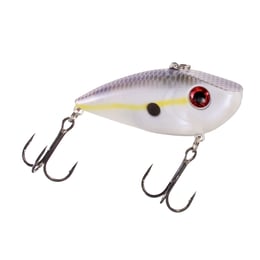
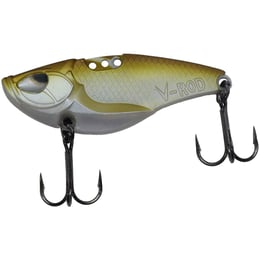
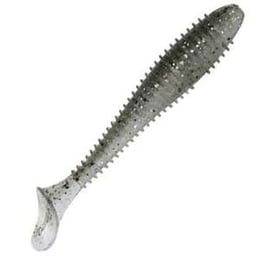
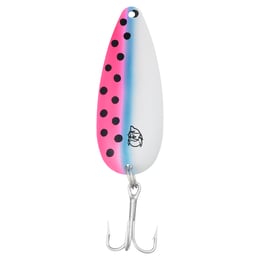
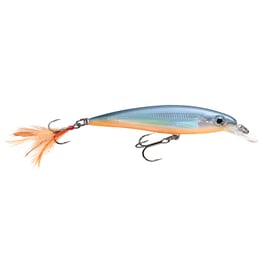
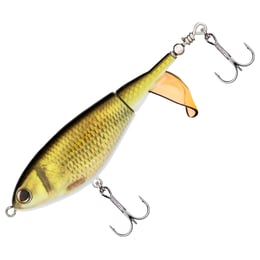
Which one, in which color and which weight, depends on the water in front of you today. That part is the app.
White Bass questions people ask
White Bass is Morone chrysops. Anglers also call it silver bass, sand bass.
A typical white bass runs 12-16 inches, 1-3 lbs. Cobia records the length and weight of every white bass you log and keeps your personal best on its Fishdex entry.
White bass inhabit large lakes, reservoirs, and river systems throughout much of the central and eastern United States. Anglers target them by finding schools in open water using electronics, often fishing with small jigs, spoons, or live bait during their feeding frenzies. They are particularly active during spring spawning runs up tributary streams. It is a fresh water species, filed under freshwater in the Fishdex.
Jigheads, inline spinners, lipless crankbaits and blade baits all produce. Which one, in which color and which weight, depends on the season, the water temperature and the tide on the day, which is the part Cobia works out against the lures you already own.
Yes. Log one through the Cobia Camera and this entry fills in with your own photo, your personal best, and the conditions on the day you caught it. The app also carries the slot limits and season dates for wherever you are standing. It is free.
Tomorrow morning starts tonight
Set your home water, pick a drive radius, and wake up to a plan.
Android coming soon
iPhone, iOS 17 or later. Setup takes about a minute.