What to throw
A recommendation for a lure you do not own is an ad. Cobia starts from your box, ranks what is in it, and only then tells you what is missing.

Top pick, and why it is the top pick
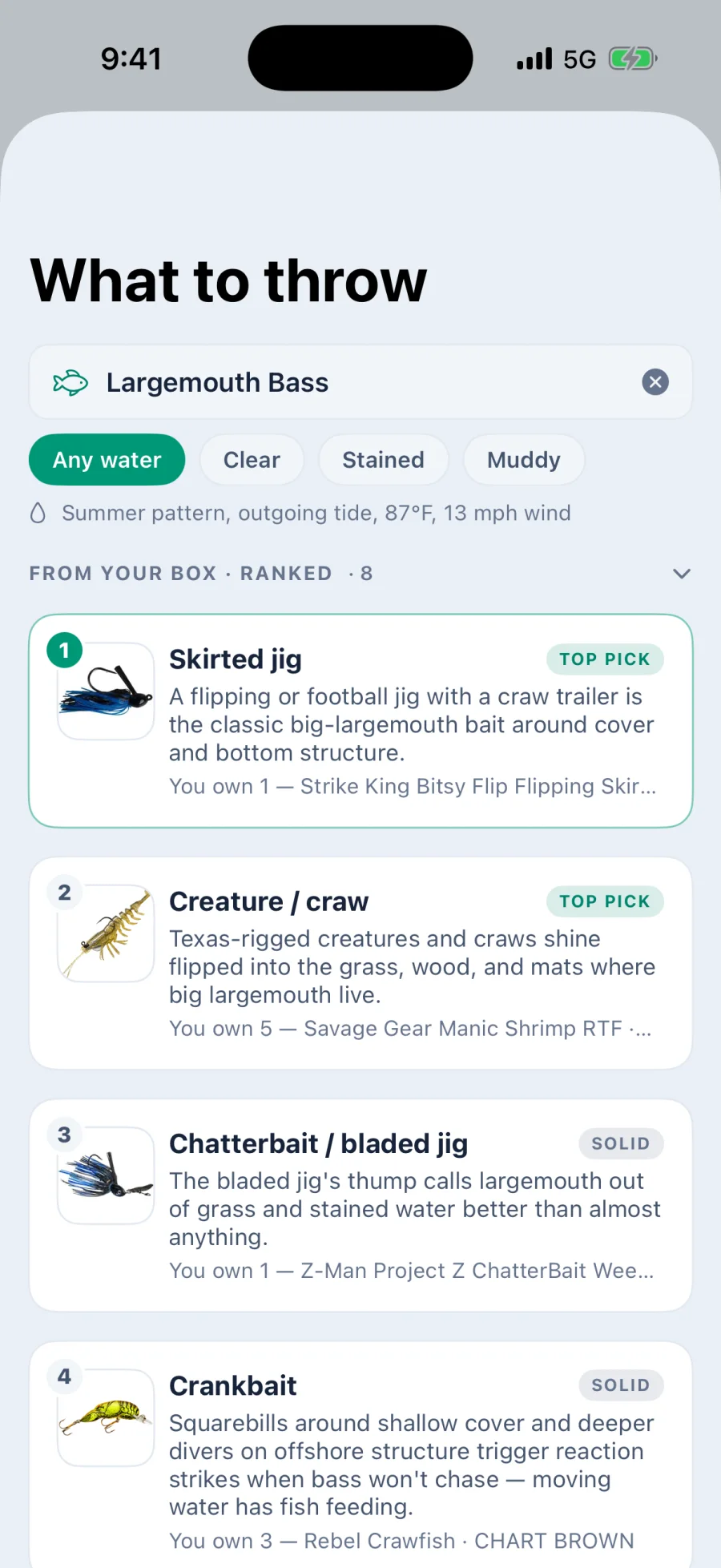
The recommendation card names the species, lists your lures in ranked order with their class, marks the top picks, and prints the pattern it reasoned from, for example summer pattern, incoming tide, 87 degrees, 14 mile an hour wind.
- Only lures you own are ranked, by name, color, and size
- The pattern is printed so you can sanity check the reasoning
- Lure class is shown, for example skirted jig or topwater frog, not just a brand name
- A photo on every row, in full color when it is a lure from your box
- Gaps are called out as worth adding rather than quietly recommended
The inputs behind a pick
Species affinity
Which lure classes actually produce for that species, and which ones only look like they should.
Season and color
Color preference moves through the year, and the ranking moves with it. What produced in March is not what produces in July.
Water and tide
Water temperature, clarity, and tide stage all shift the pick. A falling tide in stained water is a different bait than slack in clear.
Wind and light
Wind speed and cloud cover change retrieve speed and profile. A fourteen mile an hour chop with cloud extends the topwater window considerably.
Habitat sanity checks
Freshwater lures do not get recommended for offshore species and vice versa. Validation gates exist specifically to stop that class of nonsense.
Your own history
What has produced for you on this water gets weight. Your log is the highest quality data in the system for your own recommendations.
What the ranking is choosing between
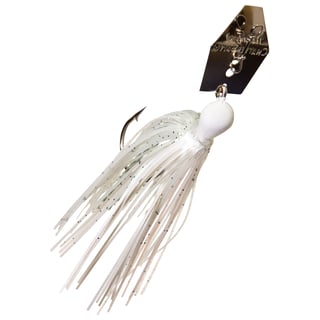
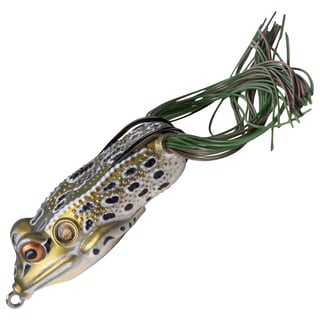
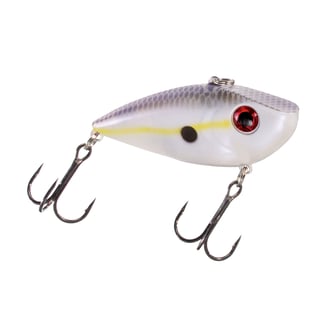
A pick names a class, not just a brand. Here is what each class actually is, when it works, and what eats it.
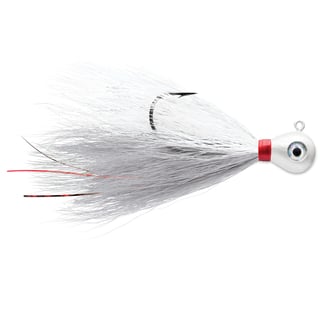
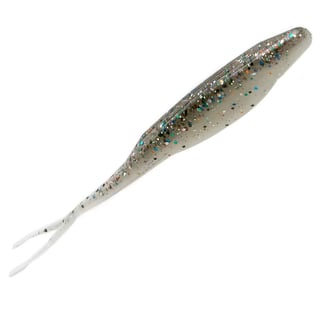
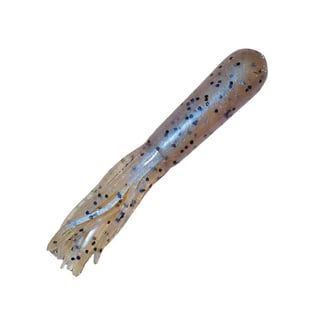
About what to throw
No. Rankings are driven by species affinity, conditions, and your own catch history. Brands can have profiles in the app, and shops can be pinned on the map, but that does not buy a place in your recommendation.
Then the recommendation becomes a suggestion of what to add, by class rather than by brand, so you can buy the right kind of bait wherever you shop.
By whether it has color in it. A row showing something from your box carries a photo of that product. A gap carries a gray stand-in, so a picture never implies you own something you do not.
Tomorrow morning starts tonight
Set your home water, pick a drive radius, and wake up to a plan.
Android coming soon
iPhone, iOS 17 or later. Setup takes about a minute.