Grubs and curl-tails
The cheapest bait that consistently out-fishes expensive ones.

What it is
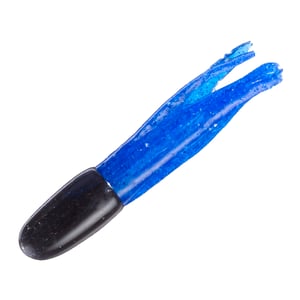
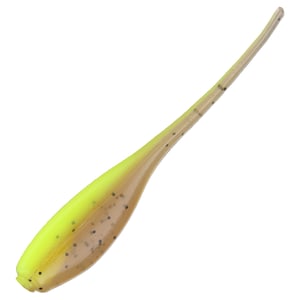
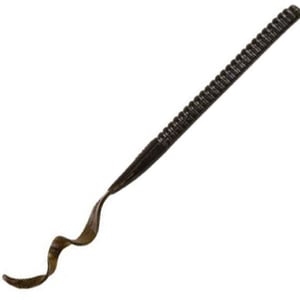
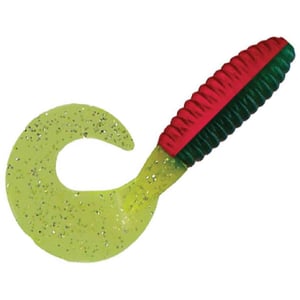
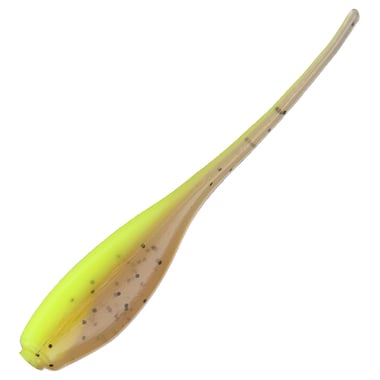
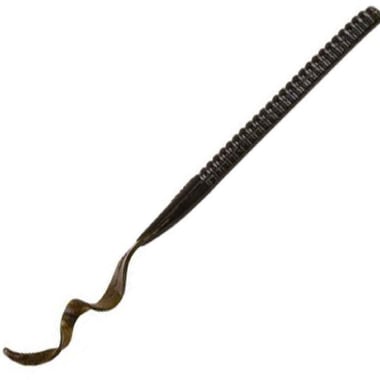
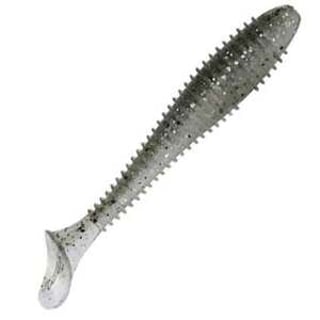
A soft plastic body with a thin sickle tail that flutters at almost any speed. Unlike a paddletail, which needs a certain retrieve speed to kick, a curl-tail is alive on the drop, on the swing and on a retrieve so slow it barely moves.
When to throw one
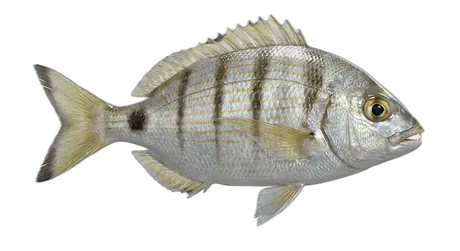
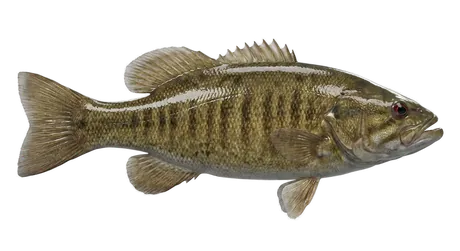
Cold water, pressured water, and any time fish are eating small. It is the crappie bait, the smallmouth bait in forty degree water, the panfish bait, the pompano bait, and the one that saves a slow inshore day when nothing will chase a full size swimbait.
How to fish it
Cast, count it down, and swim it back with the rod tip low. On the pause the tail keeps working, so the pause is free. Downsizing a grub is nearly always the right adjustment when the bite gets tough, which is the opposite of what most anglers do.
Gear that matters
Light line and a light jighead. This is a finesse presentation whether or not you call it one, and heavy line kills the fall rate that makes it work.
Assuming it is a beginner bait. Tournament anglers keep a bag of two inch grubs for the day nothing else works.
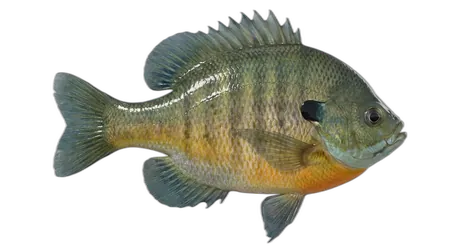
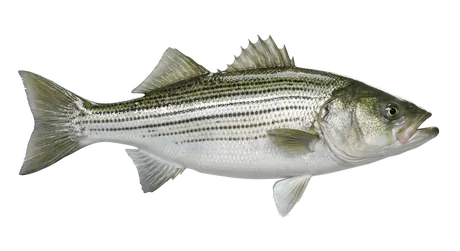
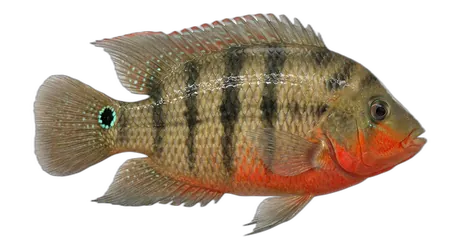
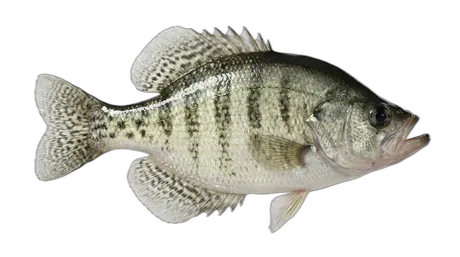
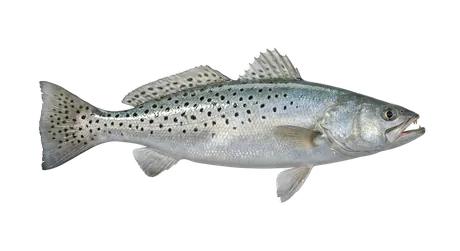
Grubs and curl-tails by the numbers
- Families in the catalog
- 341
- Individual variants
- 2,856
- Brands represented
- 79
- Weight range
- 0.005 oz to 9 oz
- Length range
- 0.25 in to 12 in
- Most stocked color families
- Silver and Blue, White and Pearl, Chartreuse
A family is a product line. A variant is one color and size of it, which is the level the app actually reasons about.
What the shelves carry
Shelf availability, not a recommendation. Which color is right depends on the day, and that is the part the app works out.
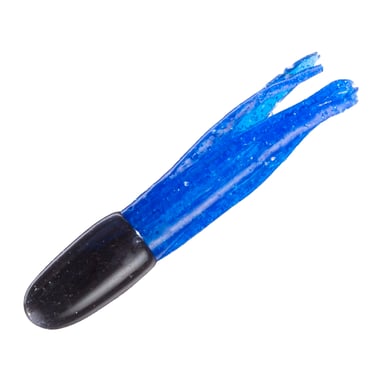
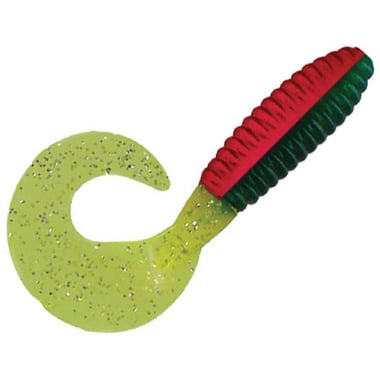
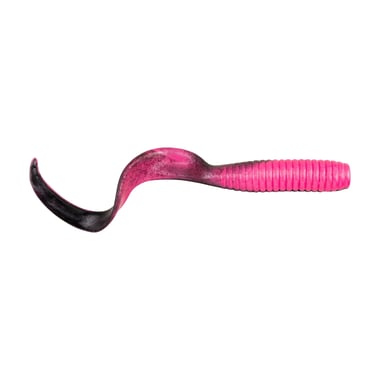
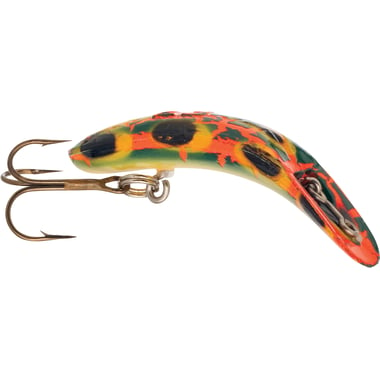
Grubs and curl-tails with the deepest color runs
The families carrying the most individual variants in the catalog. Breadth of stock, not a ranking of which one catches more fish.
What a web page cannot know
Everything above is true of grubs and curl-tails everywhere, in every month, for every angler. That is exactly the problem with it. Cobia answers the narrower question.
Those four lines need a location, a clock and your actual tackle box. No website has any of them.
Grubs and curl-tails questions people actually ask
A soft plastic body with a thin sickle tail that flutters at almost any speed. Unlike a paddletail, which needs a certain retrieve speed to kick, a curl-tail is alive on the drop, on the swing and on a retrieve so slow it barely moves.
Cold water, pressured water, and any time fish are eating small. It is the crappie bait, the smallmouth bait in forty degree water, the panfish bait, the pompano bait, and the one that saves a slow inshore day when nothing will chase a full size swimbait.
Cast, count it down, and swim it back with the rod tip low. On the pause the tail keeps working, so the pause is free. Downsizing a grub is nearly always the right adjustment when the bite gets tough, which is the opposite of what most anglers do.
Assuming it is a beginner bait. Tournament anglers keep a bag of two inch grubs for the day nothing else works.
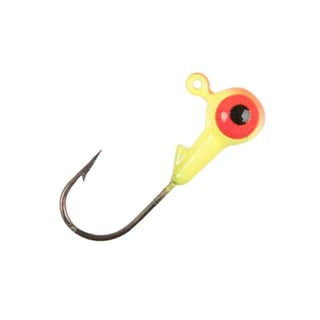
Know which curl-tail grub to tie on
Scan your receipts, build your box once, and Cobia ranks what you already own against the water in front of you.
Android coming soon
iPhone, iOS 17 or later. Setup takes about a minute.