Trolling skirts and offshore heads
Vinyl, mylar and a weighted head, pulled at speed behind a boat. The whole offshore game runs on these.

What it is
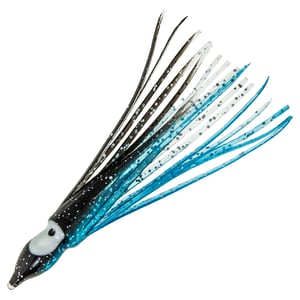
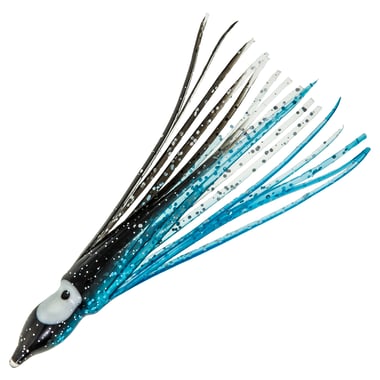
A skirted trolling lure is a head, usually resin or lead, with a vinyl or hair skirt behind it. The head shape decides the behavior. A flat face pushes water and smokes a bubble trail. A slanted face swims and dives. A bullet head runs straight and fast and stays down at high speed. Chuggers, jets and plungers are all variations on how much water the face grabs. Unlike almost every other lure, the skirt is not the action, the head is.
When to throw one
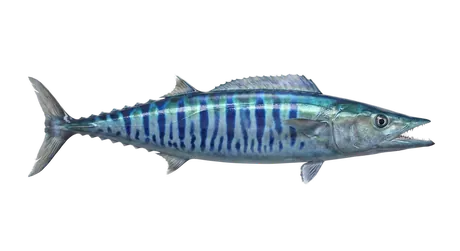
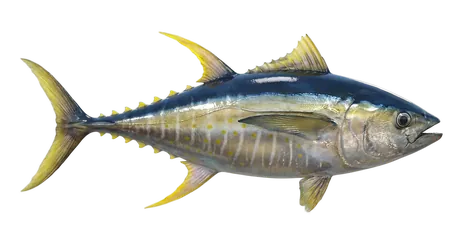
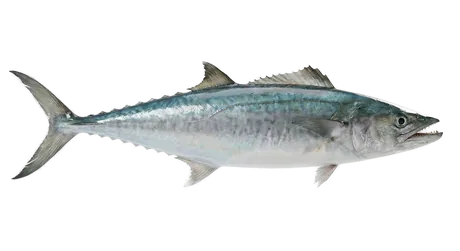
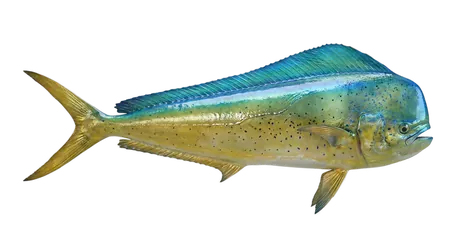
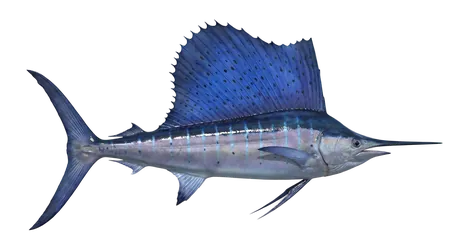
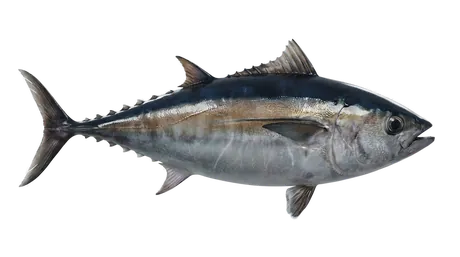
Any time you are covering blue water looking for a bite rather than casting at something you can see. Mahi on a weed line, wahoo on a drop, tuna on a temperature break, sailfish on a color change. It is also the standard Great Lakes salmon presentation behind a dodger or a flasher, which is a completely different fishery using the same idea.
How to fish it
Position in the spread matters more than color. The short corner and long rigger do different jobs, and a lure that runs beautifully on one will spin on the other. Set it so it swims in the face of a wave and breathes, not so it skips. If a lure is spinning, move it or change the head, do not just let it turn your leader into a corkscrew.
Gear that matters
Rigged with a heavy mono or fluorocarbon leader and a stiff hook set. Speed is the variable most crews under-think: wahoo want twelve to fifteen knots, sailfish want six to eight, and the same lure behaves like a different bait at each.
Buying on color and ignoring head shape. The head decides whether it swims, smokes or skips, and color is the last thing to change.
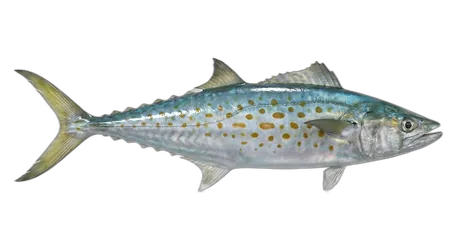
Trolling skirts and offshore heads by the numbers
- Families in the catalog
- 194
- Individual variants
- 1,025
- Brands represented
- 49
- Weight range
- 1/8 oz to 48 oz
- Length range
- 0.25 in to 42 in
- Most stocked color families
- White and Pearl, Silver and Blue, Pink
A family is a product line. A variant is one color and size of it, which is the level the app actually reasons about.
What the shelves carry
Shelf availability, not a recommendation. Which color is right depends on the day, and that is the part the app works out.
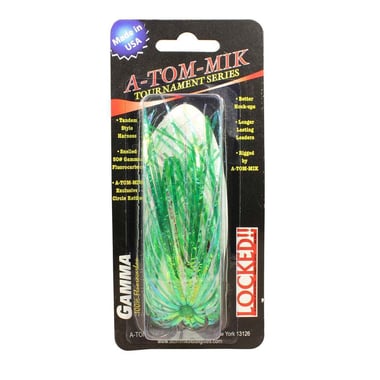
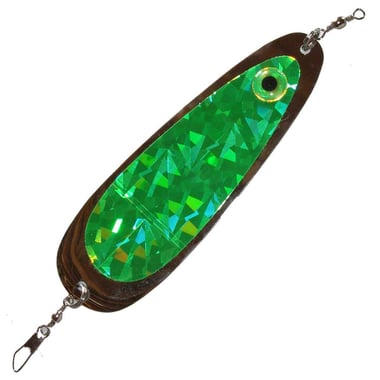
Trolling skirts and offshore heads with the deepest color runs
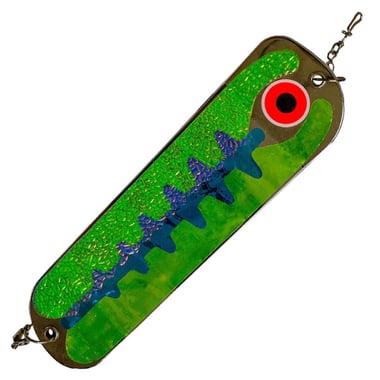
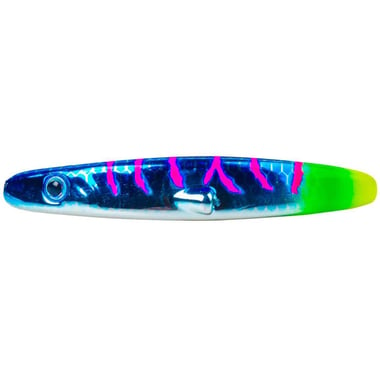
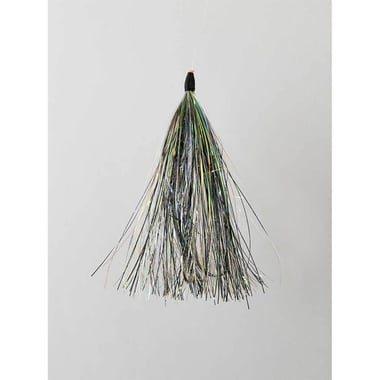
The families carrying the most individual variants in the catalog. Breadth of stock, not a ranking of which one catches more fish.
What a web page cannot know
Everything above is true of trolling skirts and offshore heads everywhere, in every month, for every angler. That is exactly the problem with it. Cobia answers the narrower question.
Those four lines need a location, a clock and your actual tackle box. No website has any of them.
Trolling skirts and offshore heads questions people actually ask
A skirted trolling lure is a head, usually resin or lead, with a vinyl or hair skirt behind it. The head shape decides the behavior. A flat face pushes water and smokes a bubble trail. A slanted face swims and dives. A bullet head runs straight and fast and stays down at high speed. Chuggers, jets and plungers are all variations on how much water the face grabs. Unlike almost every other lure, the skirt is not the action, the head is.
Any time you are covering blue water looking for a bite rather than casting at something you can see. Mahi on a weed line, wahoo on a drop, tuna on a temperature break, sailfish on a color change. It is also the standard Great Lakes salmon presentation behind a dodger or a flasher, which is a completely different fishery using the same idea.
Position in the spread matters more than color. The short corner and long rigger do different jobs, and a lure that runs beautifully on one will spin on the other. Set it so it swims in the face of a wave and breathes, not so it skips. If a lure is spinning, move it or change the head, do not just let it turn your leader into a corkscrew.
Buying on color and ignoring head shape. The head decides whether it swims, smokes or skips, and color is the last thing to change.
Know which trolling skirt to tie on
Scan your receipts, build your box once, and Cobia ranks what you already own against the water in front of you.
Android coming soon
iPhone, iOS 17 or later. Setup takes about a minute.