Topwater poppers
A cupped face that spits water. Noise, then silence, then the fish.

What it is
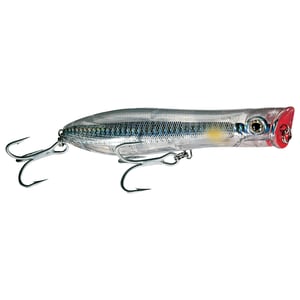
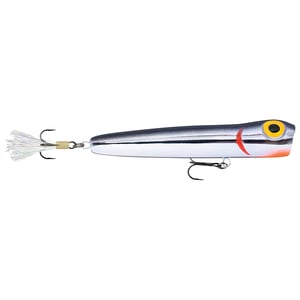
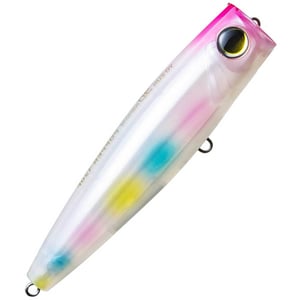
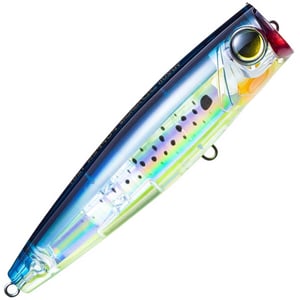
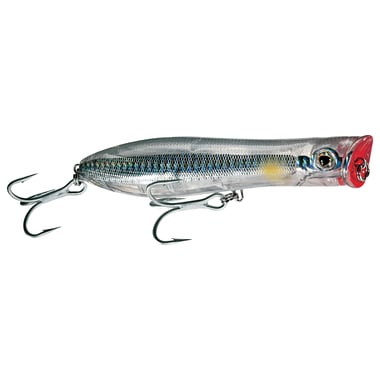
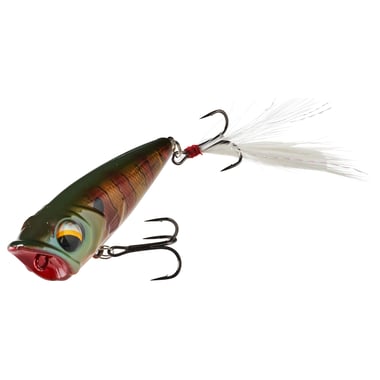
A floating bait with a concave face. A sharp pull makes the cup grab water and throw a spray and a bloop. Small freshwater poppers are subtle. Offshore chuggers are the size of your forearm and are made to be heard from a hundred yards away.
When to throw one
Calm mornings, isolated cover, and any time fish are holding in one place rather than roaming. A popper stays in the strike zone while a walking bait moves through it, which is why it beats a walker over a single stump, a dock or a rock pile.
How to fish it
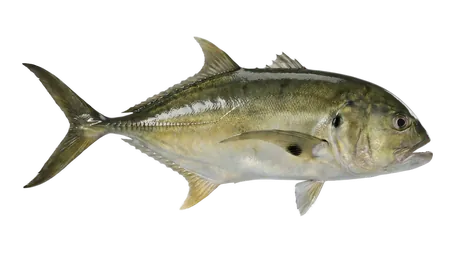
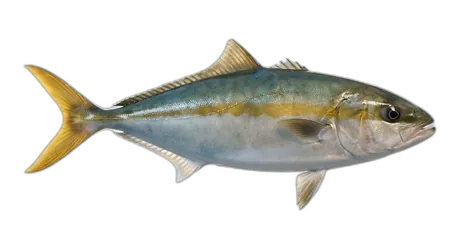
Cast past the target, let the rings settle completely, then one pop. Wait. Pop again. The pause is where the bite comes from. Offshore, the opposite applies, and a hard continuous chugging cadence is what draws tuna and jacks up from depth.
Gear that matters
Sharp, strong trebles. A popper fish often hits from directly underneath and the hook has to find purchase in a mouth that is already moving away.
Popping continuously. Silence between pops is doing more work than the noise.
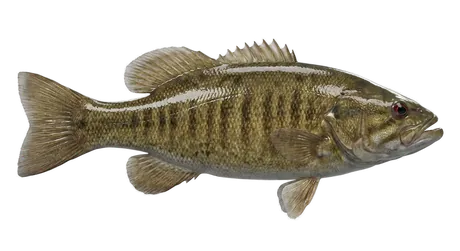
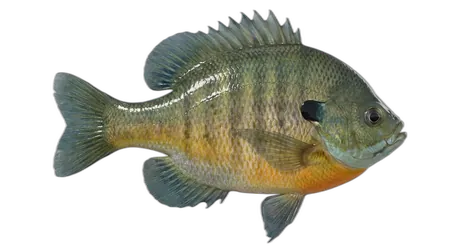
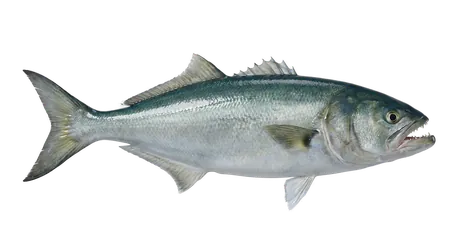
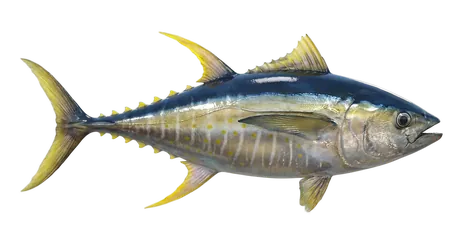
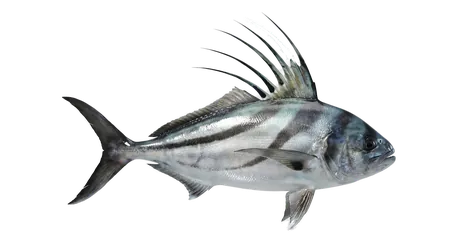
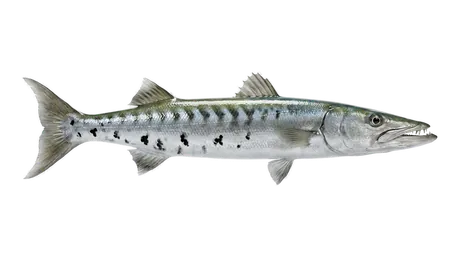
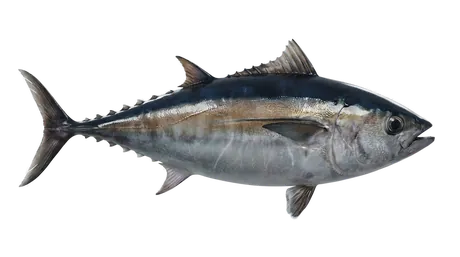
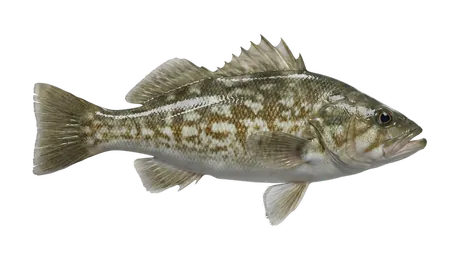
Topwater poppers by the numbers
- Families in the catalog
- 90
- Individual variants
- 603
- Brands represented
- 34
- Weight range
- 1/8 oz to 625 oz
- Length range
- 0.375 in to 2.7559 in
- Most stocked color families
- Shad and Natural, Silver and Blue, White and Pearl
A family is a product line. A variant is one color and size of it, which is the level the app actually reasons about.
What the shelves carry
Shelf availability, not a recommendation. Which color is right depends on the day, and that is the part the app works out.
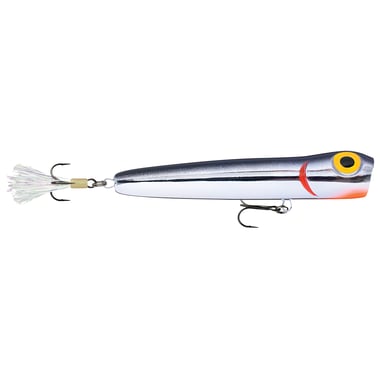
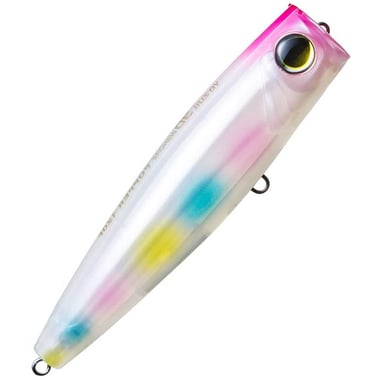
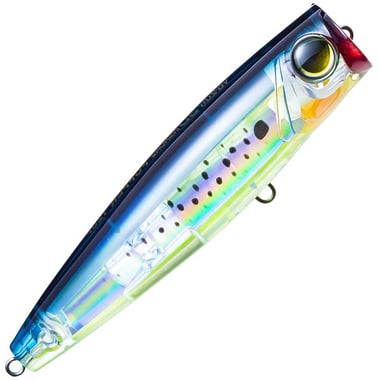
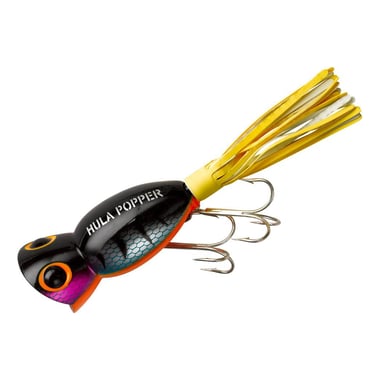
Topwater poppers with the deepest color runs
The families carrying the most individual variants in the catalog. Breadth of stock, not a ranking of which one catches more fish.
What a web page cannot know
Everything above is true of topwater poppers everywhere, in every month, for every angler. That is exactly the problem with it. Cobia answers the narrower question.
Those four lines need a location, a clock and your actual tackle box. No website has any of them.
Topwater poppers questions people actually ask
A floating bait with a concave face. A sharp pull makes the cup grab water and throw a spray and a bloop. Small freshwater poppers are subtle. Offshore chuggers are the size of your forearm and are made to be heard from a hundred yards away.
Calm mornings, isolated cover, and any time fish are holding in one place rather than roaming. A popper stays in the strike zone while a walking bait moves through it, which is why it beats a walker over a single stump, a dock or a rock pile.
Cast past the target, let the rings settle completely, then one pop. Wait. Pop again. The pause is where the bite comes from. Offshore, the opposite applies, and a hard continuous chugging cadence is what draws tuna and jacks up from depth.
Popping continuously. Silence between pops is doing more work than the noise.
Know which popper to tie on
Scan your receipts, build your box once, and Cobia ranks what you already own against the water in front of you.
Android coming soon
iPhone, iOS 17 or later. Setup takes about a minute.