Hard swimbaits and glide baits
A big multi jointed bait for anglers who would rather get three bites than thirty.

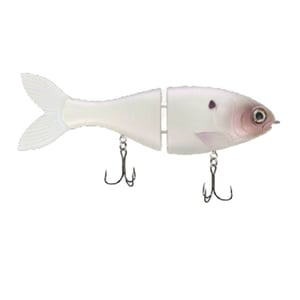
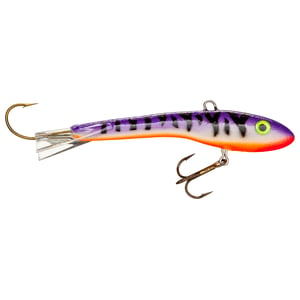
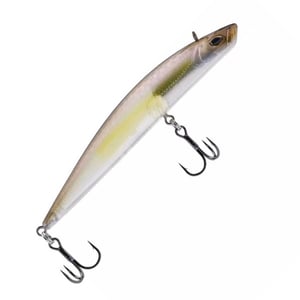
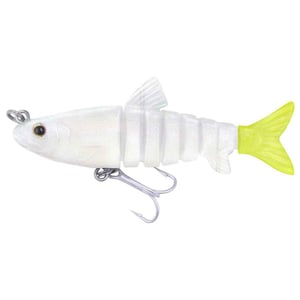
What it is
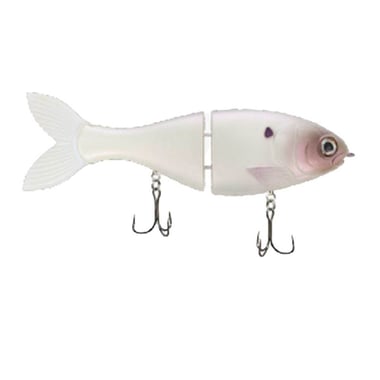
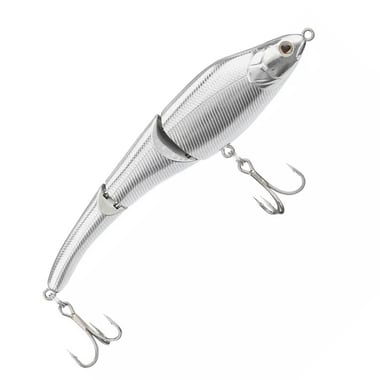
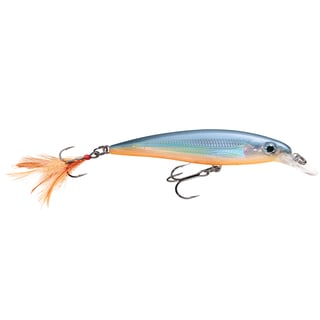
A hard bodied swimbait, either jointed into segments that swim on a steady retrieve or built as a single joint glide bait that swings wide left and right on each pull. Sizes run from four inches to over a foot, and the bait is usually a realistic copy of a specific forage fish.
When to throw one
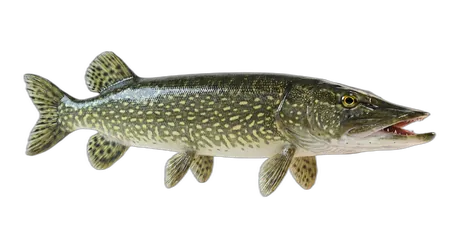
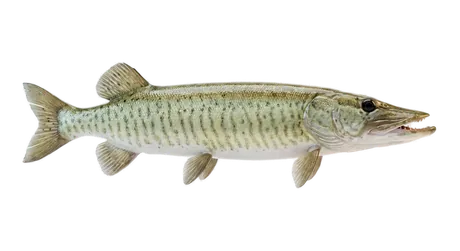
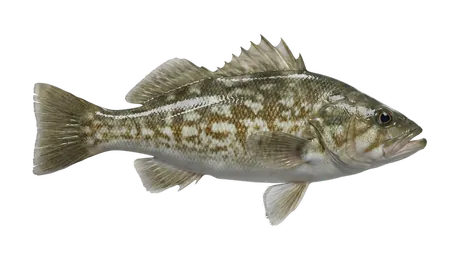
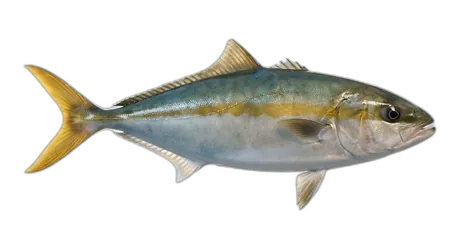
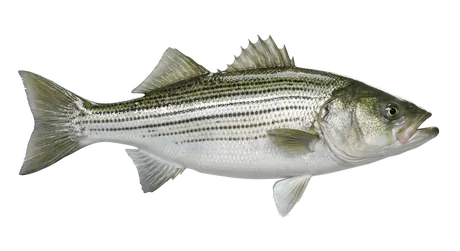
When the biggest fish in the system is eating other fish, which is most of the year in musky and pike water and specific windows in bass and striper water. Clear water helps because the bait is meant to be seen.
How to fish it
A glide bait wants a pull and a pause so it can swing out to the side and turn. A jointed swimbait usually wants a steady retrieve with occasional speed changes. Both want a figure eight at the boat, and a shocking share of musky eats happen there.
Gear that matters
Heavy rod, heavy line, big net. These baits weigh several ounces and a normal bass setup will not cast them all day without something breaking, probably your wrist.
Giving up. This is a low bite rate presentation by design, and it is the wrong bait for a day where you need action.
Hard swimbaits and glide baits by the numbers
- Families in the catalog
- 88
- Individual variants
- 694
- Brands represented
- 37
- Weight range
- 1/8 oz to 10 oz
- Length range
- 0.25 in to 12 in
- Most stocked color families
- Shad and Natural, Silver and Blue, Bluegill and Perch
A family is a product line. A variant is one color and size of it, which is the level the app actually reasons about.
What the shelves carry
Shelf availability, not a recommendation. Which color is right depends on the day, and that is the part the app works out.
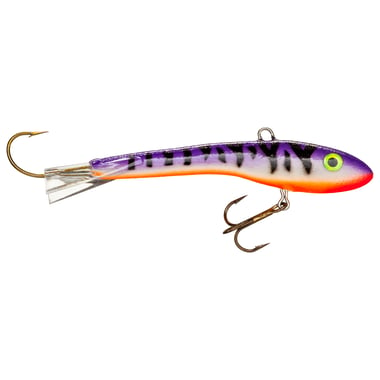
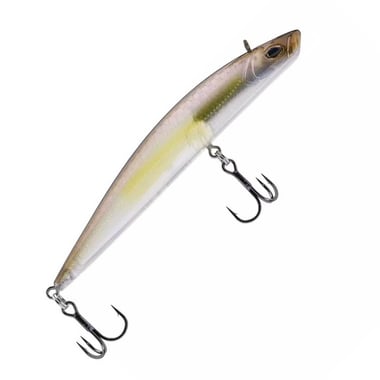
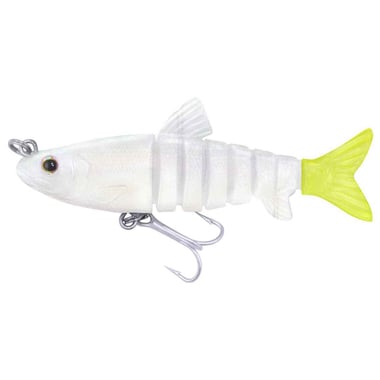
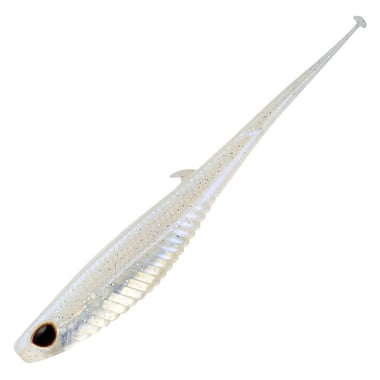
Hard swimbaits and glide baits with the deepest color runs
The families carrying the most individual variants in the catalog. Breadth of stock, not a ranking of which one catches more fish.
What a web page cannot know
Everything above is true of hard swimbaits and glide baits everywhere, in every month, for every angler. That is exactly the problem with it. Cobia answers the narrower question.
Those four lines need a location, a clock and your actual tackle box. No website has any of them.
Hard swimbaits and glide baits questions people actually ask
A hard bodied swimbait, either jointed into segments that swim on a steady retrieve or built as a single joint glide bait that swings wide left and right on each pull. Sizes run from four inches to over a foot, and the bait is usually a realistic copy of a specific forage fish.
When the biggest fish in the system is eating other fish, which is most of the year in musky and pike water and specific windows in bass and striper water. Clear water helps because the bait is meant to be seen.
A glide bait wants a pull and a pause so it can swing out to the side and turn. A jointed swimbait usually wants a steady retrieve with occasional speed changes. Both want a figure eight at the boat, and a shocking share of musky eats happen there.
Giving up. This is a low bite rate presentation by design, and it is the wrong bait for a day where you need action.
Know which glide bait to tie on
Scan your receipts, build your box once, and Cobia ranks what you already own against the water in front of you.
Android coming soon
iPhone, iOS 17 or later. Setup takes about a minute.