
How the tide runs through Jupiter Inlet
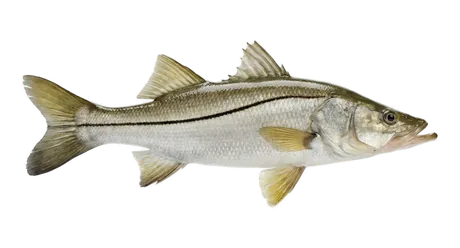
Jupiter Inlet is a current fishery first. On a strong spring outgoing, stained river water meets clean Atlantic water right past the jetty tips, forming a visible color line. Snook sit facing into the outflow along the rock edges and behind the washout troughs where they can ambush mullet, pilchards and sand perch swept past.
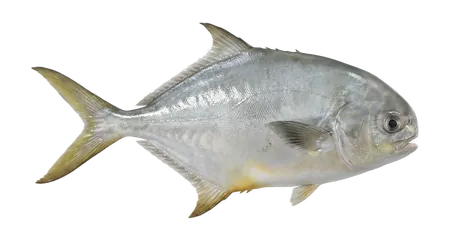
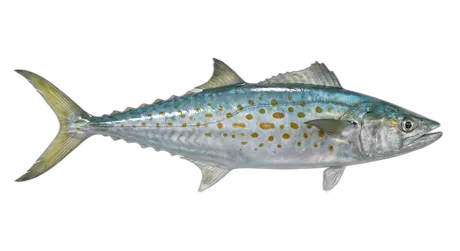
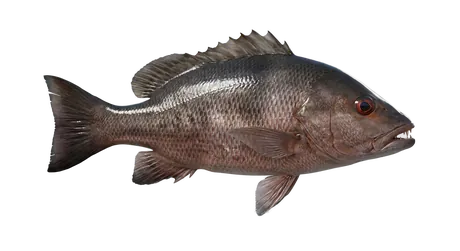
When the tide flips incoming, clear blue water pushes back past the lighthouse toward the Loxahatchee forks. That clean push brings pompano, permit, mangrove snapper and Spanish mackerel inside the rocks and onto the shallow sandbars near DuBois Park.
Seasonal patterns on the water
- Spring and summer. Big snook stack along the inlet walls and trough for their spawn. Remember Florida Atlantic snook closes to harvest June 1 through August 31, so handle fish carefully and release them quickly in the water.
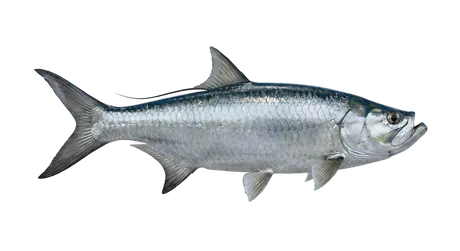
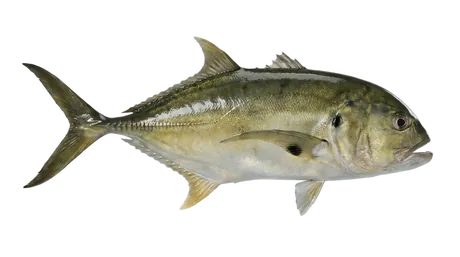
- Fall mullet run. September through November packs the beaches and jetty mouth with finger mullet. Tarpon, jacks, snook, bluefish and sharks feed hard at first light and dusk.
- Winter. Cold fronts turn on pompano, sheepshead, bluefish and Spanish mackerel around the rocks and nearshore sandbars.
Wind and boating safety
An east or northeast wind stacking against a strong outgoing tide turns the mouth of Jupiter Inlet steep fast. Check sustained wind, gust spread and wave period before committing a small skiff or kayak to the throat, and use the tide curve in Cobia to time your run around slack or incoming water.
Before you keep a fish on Jupiter Inlet, check current Florida slot limits, daily bag limits, and seasonal closures on our Florida fishing regulations directory or live inside Cobia.