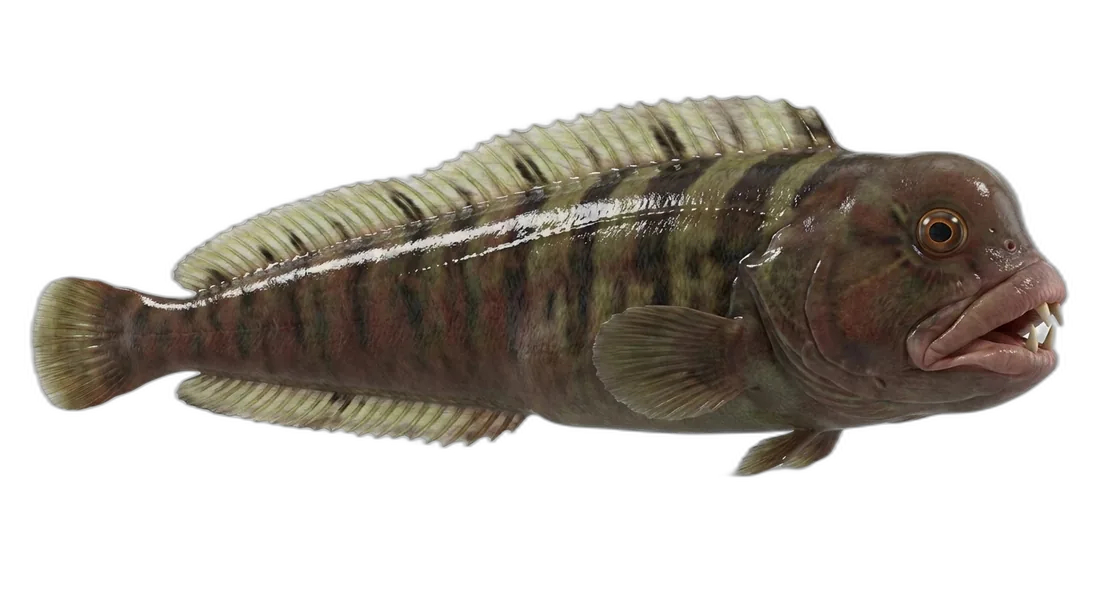
Monkeyface Prickleback
Cebidichthys violaceus
The Monkeyface Prickleback is an elongated, eel-like fish found along the Pacific coast with a distinctive blunt head and continuous dorsal fin. Despite its name, it's actually an edible species prized by some coastal communities.

Monkeyface Prickleback at a glance
- Scientific name
- Cebidichthys violaceus
- Typical size
- 12-30 inches, 1-4 lbs
- Water
- Saltwater
- Habitat
- Inshore
- Rarity in the Fishdex™
- Uncommon
Habitat
This species inhabits rocky intertidal zones and shallow kelp beds along the Pacific coast from Oregon to Baja California. Anglers typically catch them from rocky shores and piers using small hooks with bait like marine worms, mussels, or small crabs. They hide in crevices and under rocks during low tide.
Catch one and it is yours
Log a monkeyface prickleback through the Cobia Camera and this entry fills in with your photo, your personal best, and the exact conditions on the day. The app also carries the slot and season rules for wherever you are standing.
How the Fishdex™ worksMonkeyface Prickleback questions people ask
Monkeyface Prickleback is Cebidichthys violaceus.
A typical monkeyface prickleback runs 12-30 inches, 1-4 lbs. Cobia records the length and weight of every monkeyface prickleback you log and keeps your personal best on its Fishdex entry.
This species inhabits rocky intertidal zones and shallow kelp beds along the Pacific coast from Oregon to Baja California. Anglers typically catch them from rocky shores and piers using small hooks with bait like marine worms, mussels, or small crabs. They hide in crevices and under rocks during low tide. It is a salt water species, filed under inshore in the Fishdex.
Yes. Log one through the Cobia Camera and this entry fills in with your own photo, your personal best, and the conditions on the day you caught it. The app also carries the slot limits and season dates for wherever you are standing. It is free.
Tomorrow morning starts tonight
Set your home water, pick a drive radius, and wake up to a plan.
Android coming soon
iPhone, iOS 17 or later. Setup takes about a minute.